
A NONPROFIT INNOVATOR BUILT ON FIRST PRINCIPLES



THREE FIRST PRINCIPLES
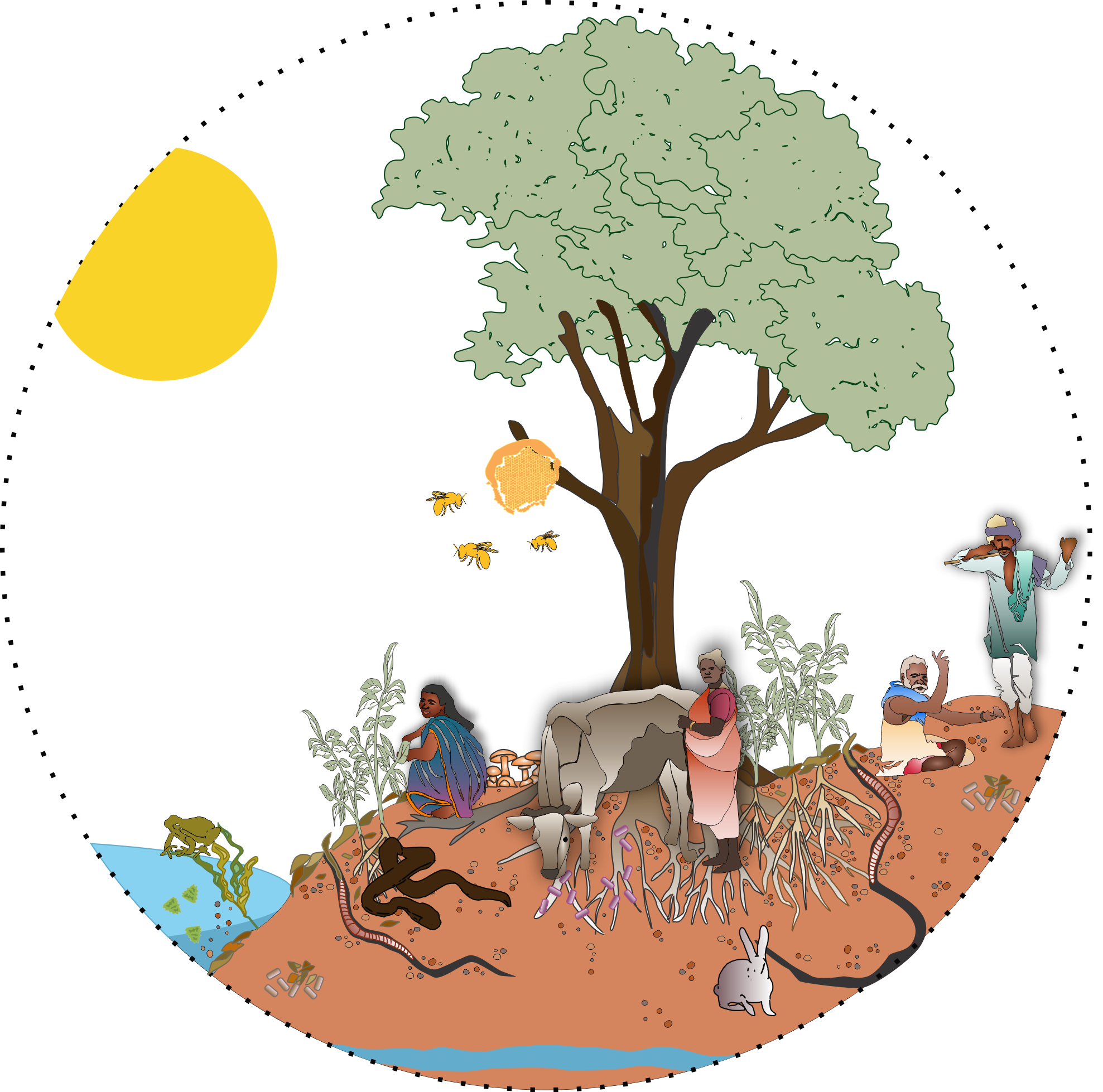
First, everything we humans use and need derives from the living and non-living resources of the ecologies (living landscapes) we inhabit.
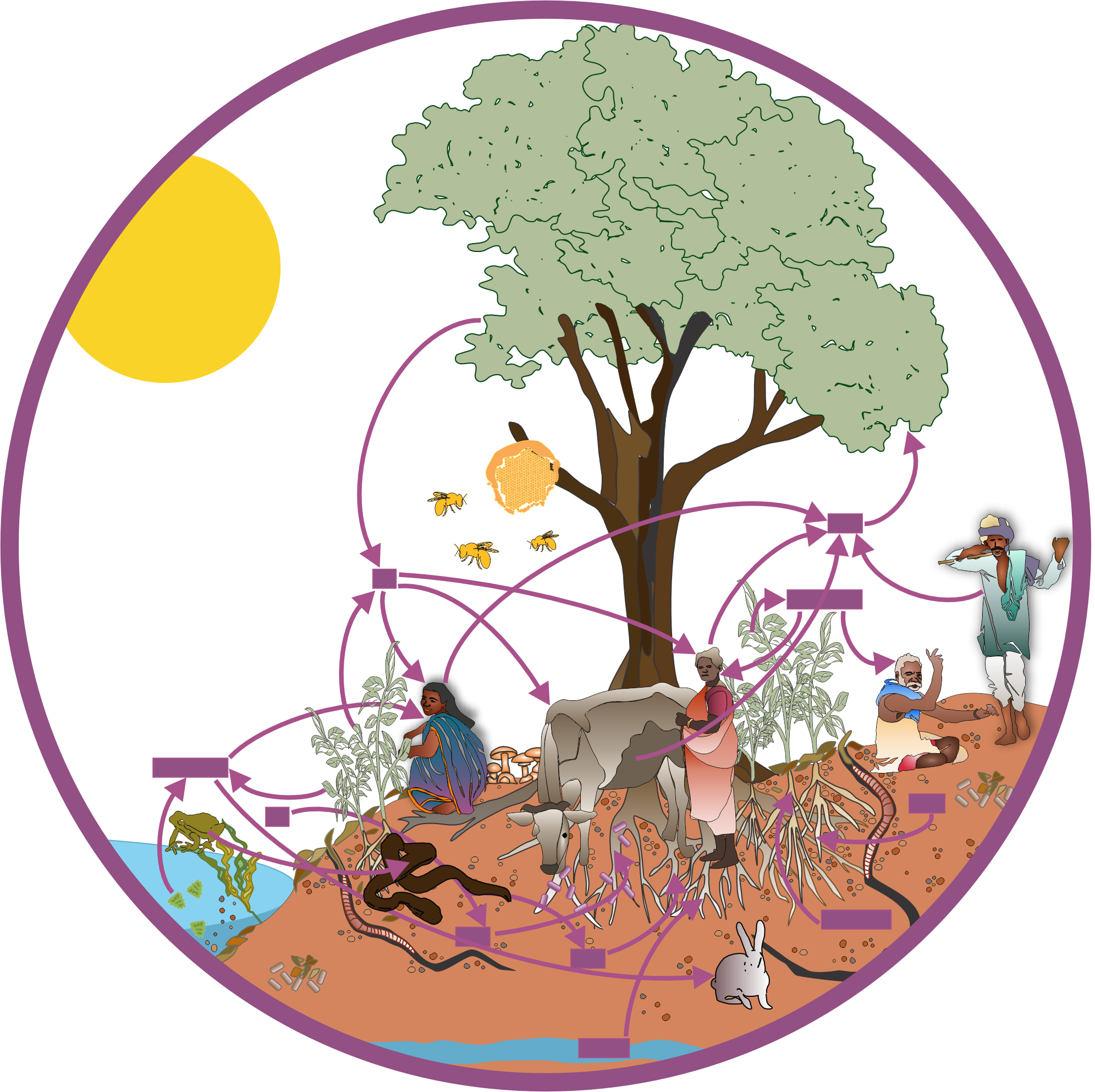
Thus, second, a human community and the ecology it inhabits is a system that must be considered as a whole.
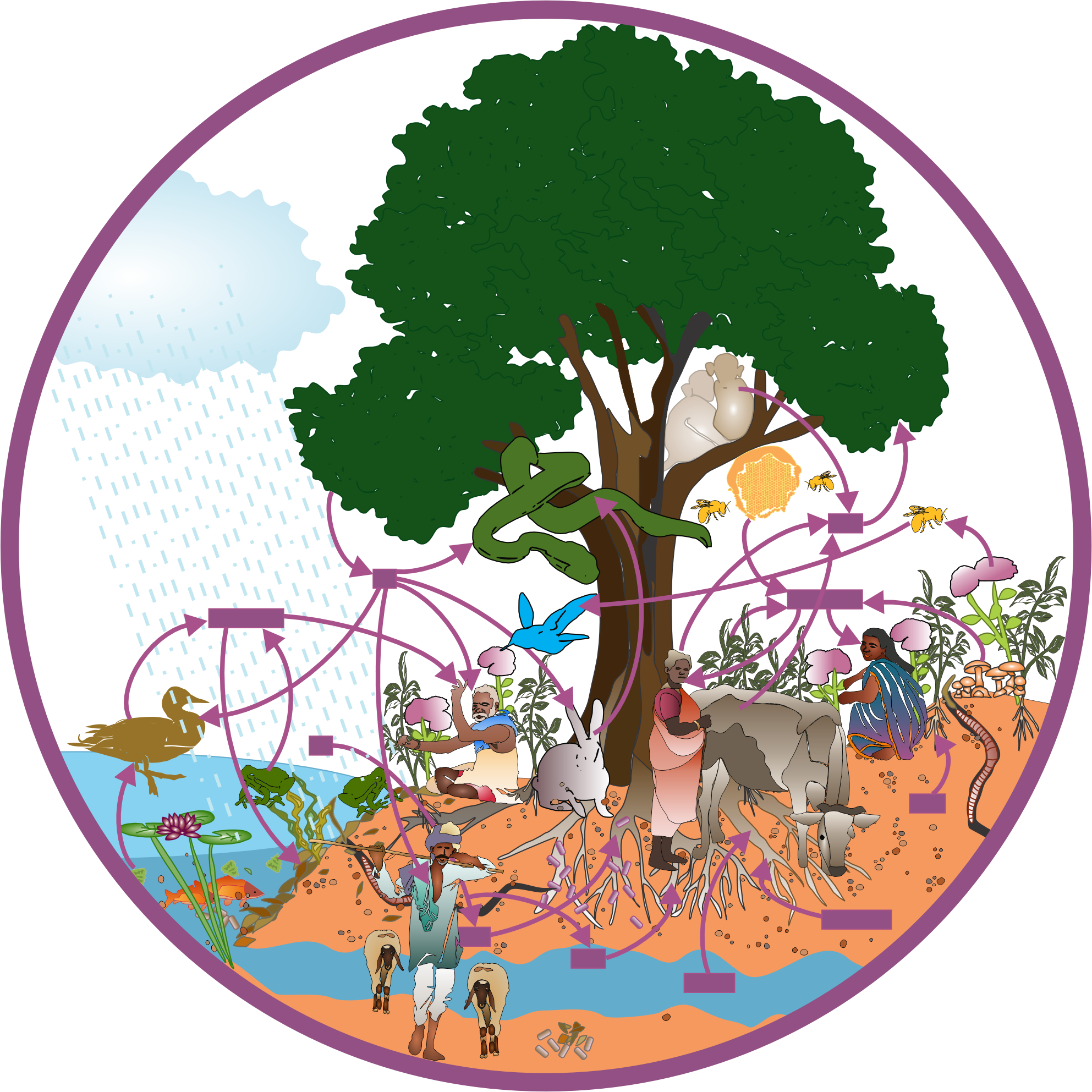
And, third, every healthy human-ecological system has EcoResilience, the inherent power of the system to take care of its own needs and adapt to change and adversity through the intelligence and creativity of its biodiverse living organisms, including humans.

THEORY OF CHANGE
The current globally imposed trade-governance system exploits, depletes, and destroys human and ecological resources (extractivism), disconnecting humans from ecologies and causing widespread ecocide (killing of ecologies) and inequity, thereby damaging the ability of humans and ecologies to take care of themselves. EcoResilience is the inherent power of a system, namely a (rural) community and the living landscape (ecology) it inhabits, to recover from and intelligently and creatively adapt to change and adversity through local ecology- and culture-rooted self-reliance. Thus, the Śramani Institute works to strengthen EcoResilience, which improves both the ecological resilience and the economic resilience of a (rural) community-living landscape system by simultaneously improving ecological and economic wellbeing.
INTEGRATED ORGANIZATION
The Śramani Institute is an integrated organization, incorporating research, thinktank (reflect), and implementation (realize) activities in our initiatives, which all have local and global aspects and are ecology-rooted. Our name (and philosophy) is rooted in the Indian subcontinent’s ancient Indigenous three-fold method of living:
-

ŚRAvaņa
श्रवण
hearing
(research) -

MAnana
मनन
critical analysis
(reflect) -

NIdidhyāsana
निदिध्यासन
practical implementation
(realize)

SOLVING COMPLEX ECOSOCIAL CHALLENGES USING AN INTEGRATED SYSTEMS APPROACH




REGENOVATION (REGENERATIVE INNOVATION)
The Śramani Institute anchors its work in regenerative innovation (regenovation), both conceptual and practical, so as to sustainably optimize strengthening EcoResilience for long-term impact. ‘Regenerative’ is characterized by that which restores, revitalizes, generates, and/or nurtures in a way that leads to interconnected (ecosymbiotic) human-ecological wellbeing.

SUPPORTERS
The work of the Śramani Institute is possible through the generous support of numerous organizations and private individuals.